
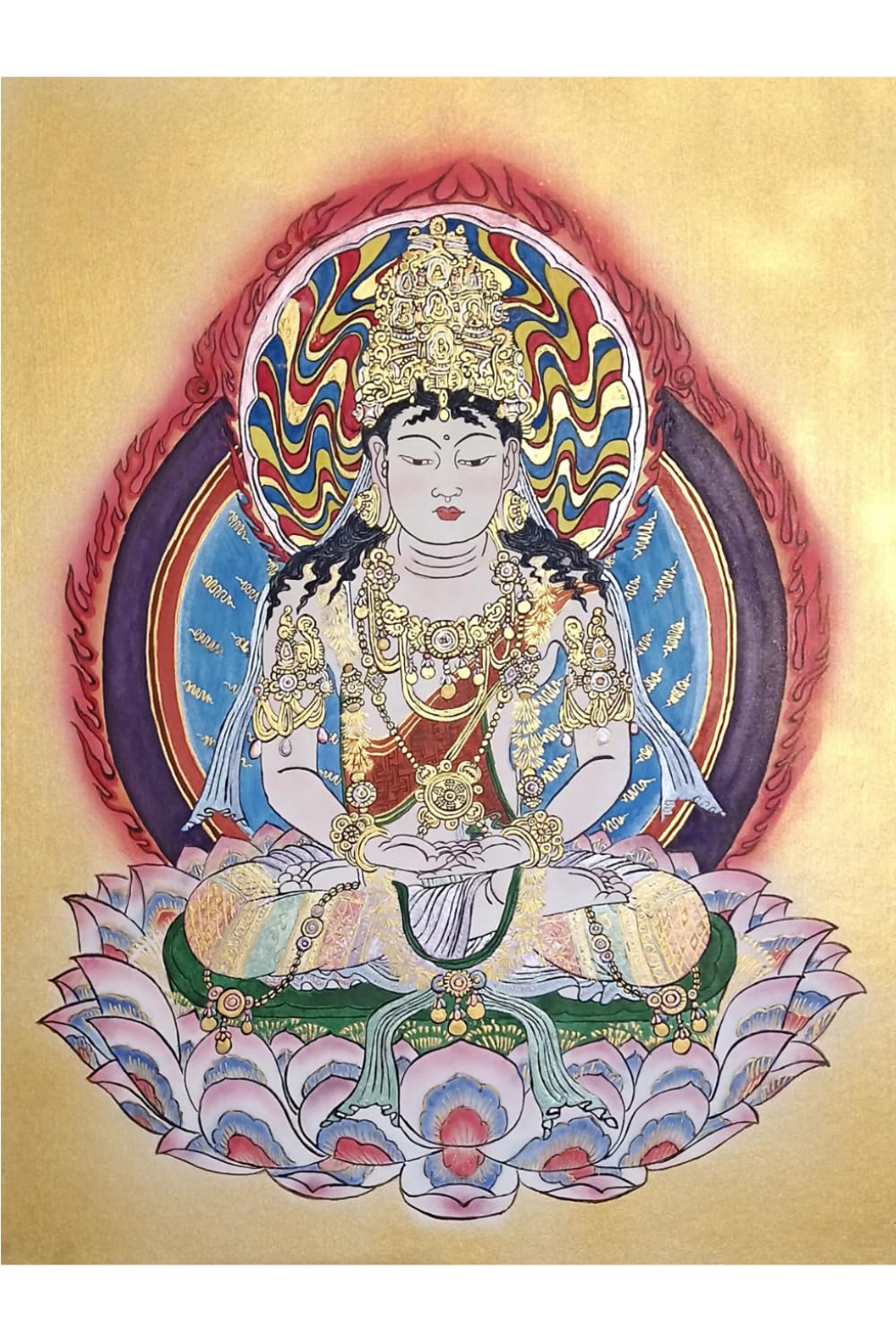
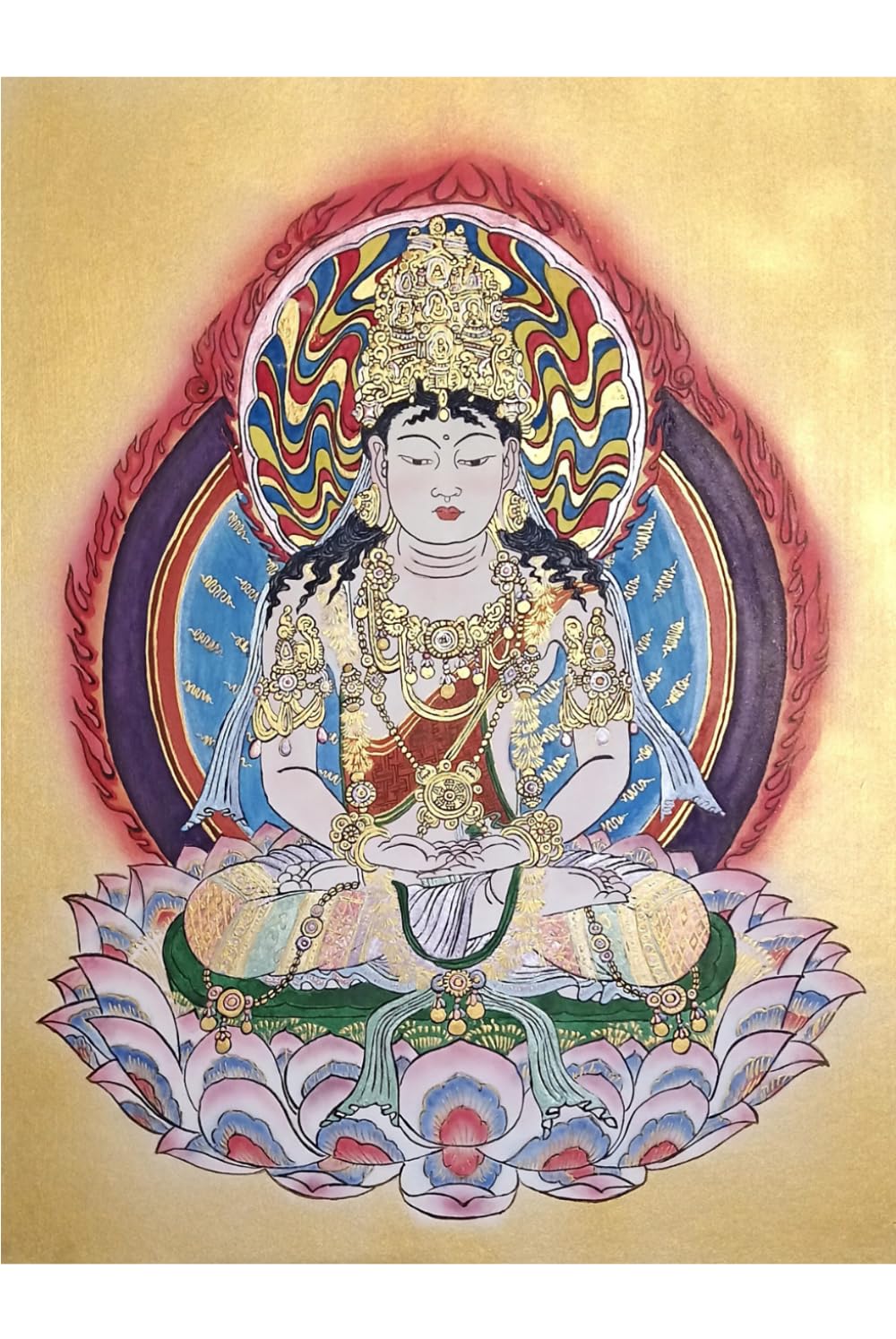
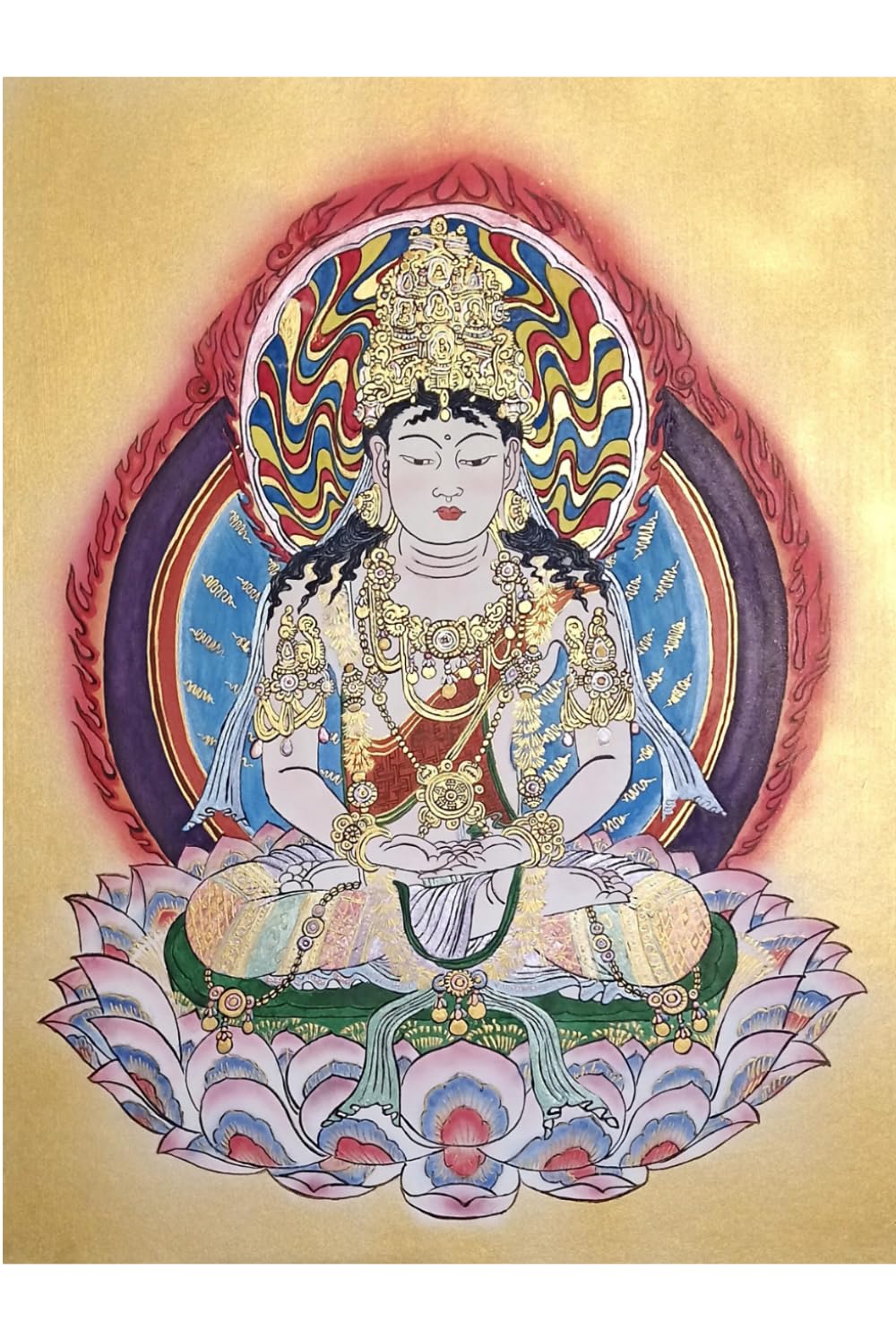
The Three Principal Sutras of Pure Land Buddhism Paperback – May 22, 2025
Product details
| Management number | 220509272 | Release Date | 2026/05/03 | List Price | US$10.17 | Model Number | 220509272 | ||
|---|---|---|---|---|---|---|---|---|---|
| Category | |||||||||
In our contemporary age of instant global information and rapid societal shifts, we experience unprecedented convenience alongside unease about an uncertain future and spiritual thirst. Ancient scriptures can offer a steadfast compass and illuminating beacon.This volume, "The Three Principal Sutras of Pure Land Buddhism," presents in accessible English three seminal texts foundational to Japanese Jōdo and Jōdo Shinshū schools. For centuries, these sutras have offered solace and hope with messages of universal salvation.The Three Principal Sutras: Their Formation and HistoryThese sutras, each with distinct contexts, collectively illuminate Amitābha Buddha's compassion and the path to his Pure Land, Sukhāvatī.1. The Buddha Speaks of the Infinite Life Sutra (Larger Sutra) Content: Narrates how Bodhisattva Dharmākara made forty-eight vows and, after eons of practice, fulfilled them, establishing his Pure Land, Sukhāvatī—an ideal world of peace and beauty. It conveys Amitābha's compassion and the power of his Primal Vows. History: Originated in Northwest India or Central Asia (1st-2nd C. CE), then transmitted to China. Saṅghavarman's 3rd C. CE translation is crucial in Japanese Pure Land Buddhism. Authorship: Historically unknown, though attributed to Śākyamuni Buddha.2. The Buddha Speaks of the Sutra of Contemplation on the Buddha of Infinite Life (Contemplation Sutra) Content: Queen Vaidehī, in tragic circumstances, seeks salvation. Śākyamuni Buddha explains methods to visualize the Pure Land and Amitābha, revealing that all individuals can attain rebirth through nine distinct grades. It teaches salvation even for those in despair. History: Likely compiled in Central Asia or China (early 5th C. CE). Esteemed in Japan by Tendai and Jōdo schools. Authorship/Translator: Author unknown; Kālayaśas translated it into Chinese (5th C. CE).3. The Buddha Speaks of the Amitabha Sutra (Smaller Sutra) Content: The shortest sutra, it vividly portrays the Pure Land's beauty and its sages. It teaches that rebirth is attainable by single-mindedly reciting Amitābha's name (Nembutsu), a truth attested by numerous Buddhas. History: Composed early (1st-2nd C. CE) in Northwest India. Kumārajīva's early 5th C. CE Chinese translation is widely beloved. Authorship: Historically unknown, ascribed to Śākyamuni Buddha.Why This Edition Now?Original texts can seem abstruse. This edition aims for clarity for non-scholars and newcomers, using accessible language and explanations. It seeks to present timeless truths resonating with contemporary challenges.The Light of Hope Kindled by Pure Land TeachingsA consistent theme is Amitābha Buddha's boundless compassion—his vow to "abandon no one" and "unfailingly save all." This "Other-Power" (*Tariki Hongan*) teaching offers peace and courage when facing insurmountable difficulties. In uncertain times, entrusting oneself to a greater existence, rather than solely seeking answers within, may hold profound meaning.It is our hope that readers may:Encounter Amitābha's compassion and find inner peace.Reflect on life's deeper meaning.Discover hope and gain strength to live positively.If this work contributes to these ends, it would be a source of joy.Let us embark on a journey to Amitābha's Pure Land—and to the tranquility within our hearts. Read more
| ISBN13 | 979-8284835692 |
|---|---|
| Language | English |
| Publisher | Independently published |
| Dimensions | 5.98 x 0.36 x 8.94 inches |
| Item Weight | 10.4 ounces |
| Print length | 157 pages |
| Publication date | May 22, 2025 |
Bestseller ranking
History



Customers who viewed this product also viewed
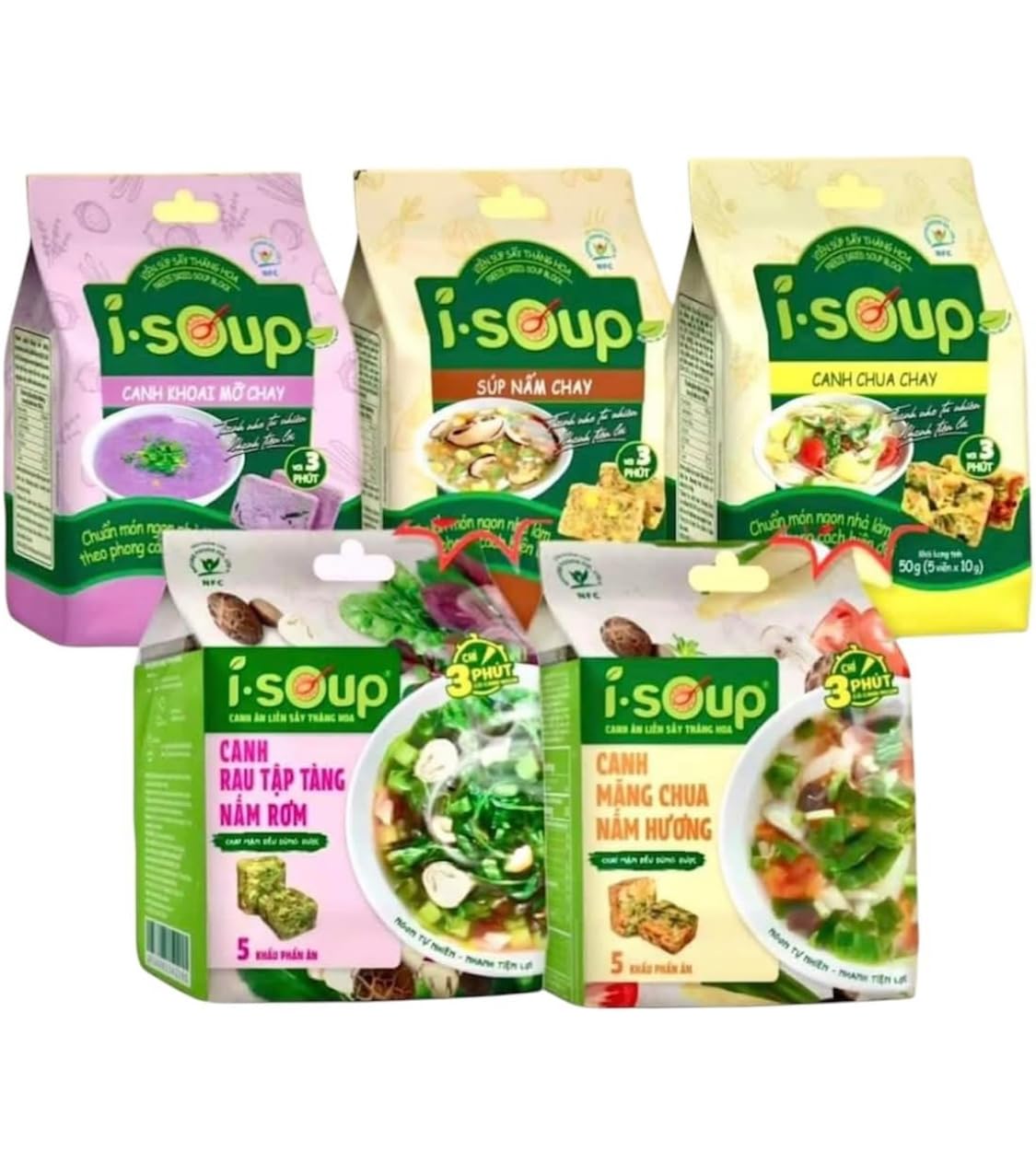
Dry Soup Mixes




Correction of product information
If you notice any omissions or errors in the product information on this page, please use the correction request form below.
Correction Request Form