

Should You Remodel Your Bathroom All at Once or in Phases?
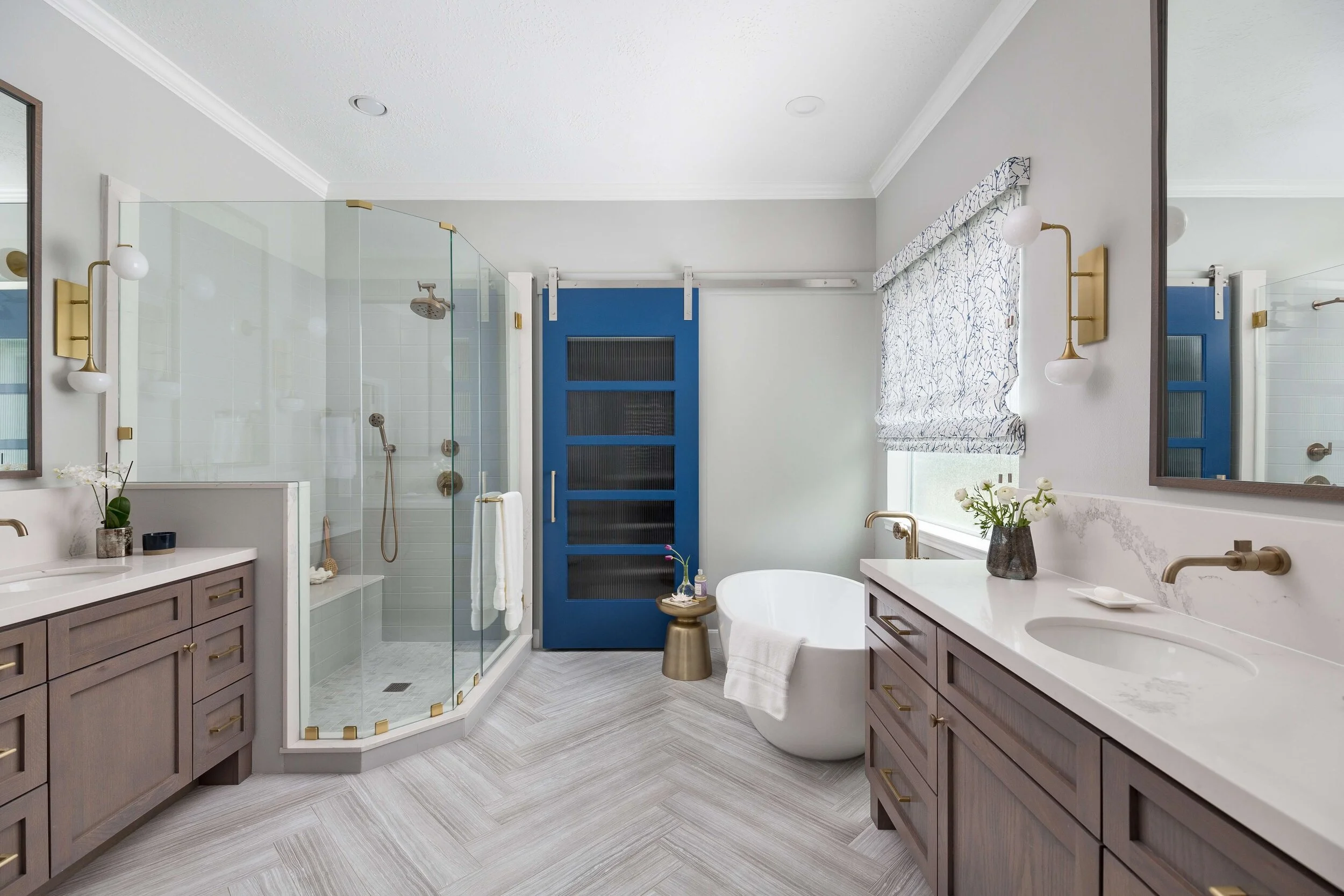
Homeowners often wonder whether it’s better to tackle a bathroom remodel in one big project or break it into smaller phases. The truth is, there’s no one-size-fits-all answer – it depends on your household’s needs, budget, and tolerance for construction disruption. In this post, we’ll explore the pros and cons of remodeling your bathroom all at once versus in stages. You’ll learn how each approach impacts cost, timeline, and stress levels, and get insights from real contractor experience on what to expect. Our goal is to help you make an informed decision that fits your life while ensuring a smooth, successful remodel.
Choosing Between a Full Remodel and a Phased Remodel
Every homeowner’s situation is different. If you have a busy household or only one bathroom, a full gut remodel might sound daunting – but doing it all at once means one period of disruption and you’re done. On the other hand, a phased approach (updating one aspect at a time or one bathroom at a time) spreads out the work and costs, which can feel gentler on your budget. However, phasing also means your home could feel like an ongoing construction zone for a longer time. Realistically, the right choice hinges on practical factors like whether you can function with the bathroom under renovation, your financial flexibility, and even upcoming events or deadlines. For example, if you want everything finished before the holidays or a family gathering, tackling it in one go might be worth the short-term hassle. If there’s no rush, spacing the work out might make the process feel less overwhelming.
Initial Insight: Think about your daily routine, budget comfort, and stress threshold. Can your family share one bathroom for a few weeks while the main bath is completely made over? Or would you prefer smaller projects over time to avoid a full shutdown? There’s a trade-off either way – short-term intensity vs. drawn-out convenience. Understanding these trade-offs is the first step to feeling confident in your plan.
* Need professional guidance? If you’re unsure which approach best suits your home, B&M Home Improvement Solutions is here to help. Our design-build experts can walk you through a tailored plan for your bathroom remodel. Schedule a free bathroom consultation today to discuss your options with a local remodeling specialist.
Full Bathroom Remodel All at Once: Pros & Cons
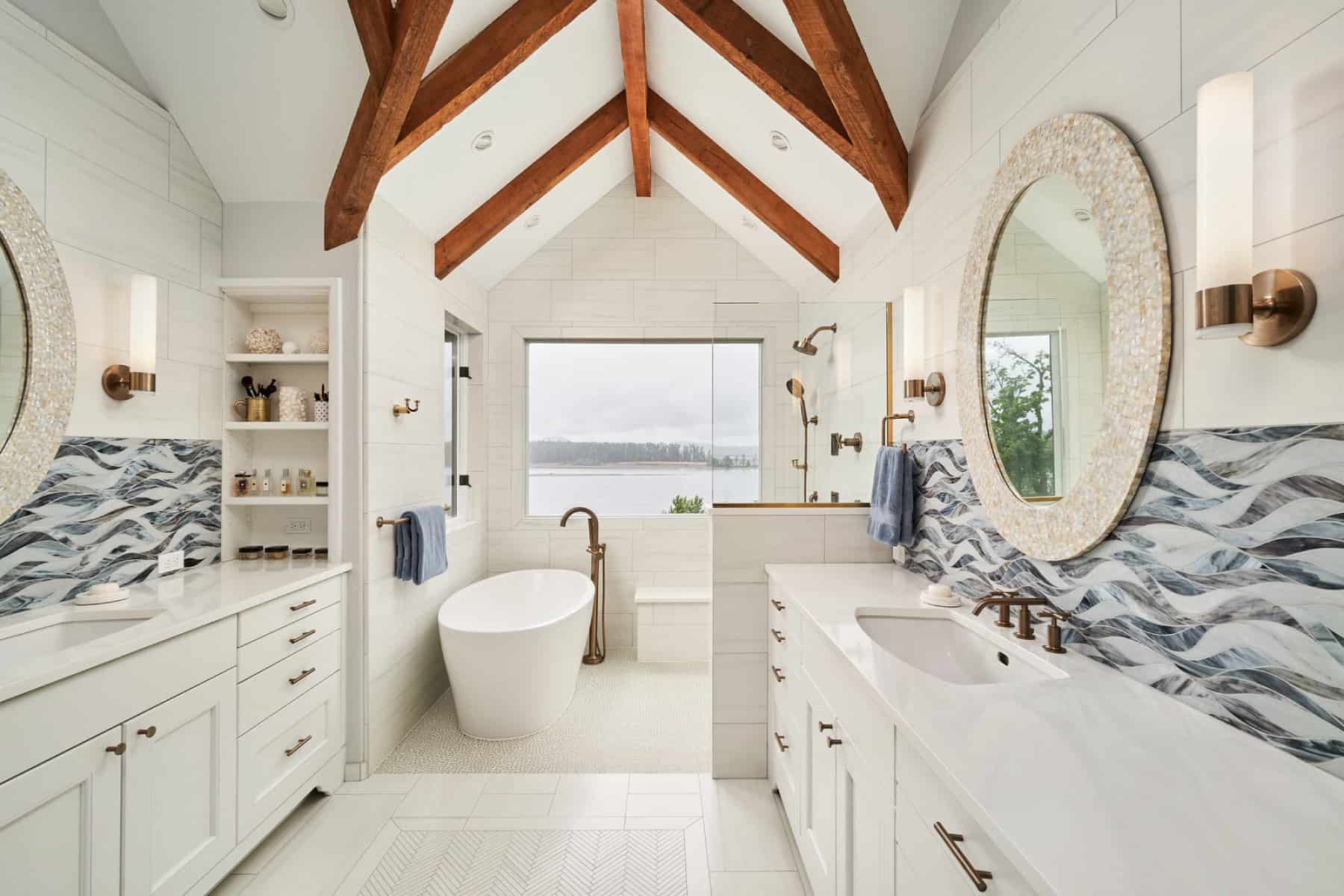
A cohesive full-scale bathroom remodel results in a beautifully unified space completed in one project. Doing everything at once ensures a consistent design and lets you avoid living with a half-finished bathroom. While the short-term disruption is greater, many homeowners appreciate getting the project “done and dusted” rather than dealing with ongoing renovations.
When you choose to renovate the entire bathroom in one go, you’re committing to a focused, all-in project. This approach has distinct advantages in efficiency and outcome, but it also comes with challenges like higher upfront costs and a period of intense disruption. Let’s break down the pros and cons:
Pros of a One-Time Full Remodel
- Efficiency & Faster Completion: By doing all the work at once, you compress the timeline significantly. Contractors can coordinate plumbing, electrical, tiling, and fixtures in a continuous sequence, finishing the job in weeks instead of months. Homeowners are often more tolerant of a few weeks of intense work than a drawn-out trickle of projects over a year. Once the remodel is done, it’s done – you can enjoy your new bathroom sooner without rebooting construction multiple times.
- Cohesive Design and Quality: A full remodel allows you to execute a unified vision. All materials, colors, and fixtures are chosen together, resulting in a seamless look rather than a patchwork of old and new. It’s easier to address underlying structural issues in one comprehensive plan, ensuring that everything (from the subfloor to the lighting) works well together. You won’t risk new tiles clashing with an old vanity or mismatched finishes – the bathroom will feel brand new and consistent throughout.
- Potential Cost Savings Overall: While the upfront price is larger, doing a single larger project can actually be more cost-effective in the long run. Contractors gain economies of scale when they can tackle the whole job at once – there are savings in labor efficiency and bulk purchasing of materials. You avoid paying repeated setup charges for multiple small projects. In fact, combining projects can save money over time compared to doing the same work in piecemeal increments. You also lock in today’s prices for materials and labor, rather than risking cost increases by spreading work over months or years.
- Single Disruption Period: All-at-once means one period of upheaval. Yes, you might lose use of your bathroom for the duration and have contractors coming and going daily – but then it’s over. You can plan for that disruption (e.g. take a short vacation or set up a temporary bathroom solution) and know that after, you’ll have a fully finished space. This can be less stressful than constant intermittent work; many people prefer “ripping the band-aid off” with one big renovation interval rather than feeling like they’re always in renovation mode.

Cons of a One-Time Full Remodel
- Higher Upfront Cost: A full bathroom remodel requires a larger investment at once. Even though it may save money overall, writing one big check (or financing a larger amount) is a significant commitment. For financially cautious homeowners, this lump sum can be daunting. It may require more planning for funding or tapping into savings/loans all at once.
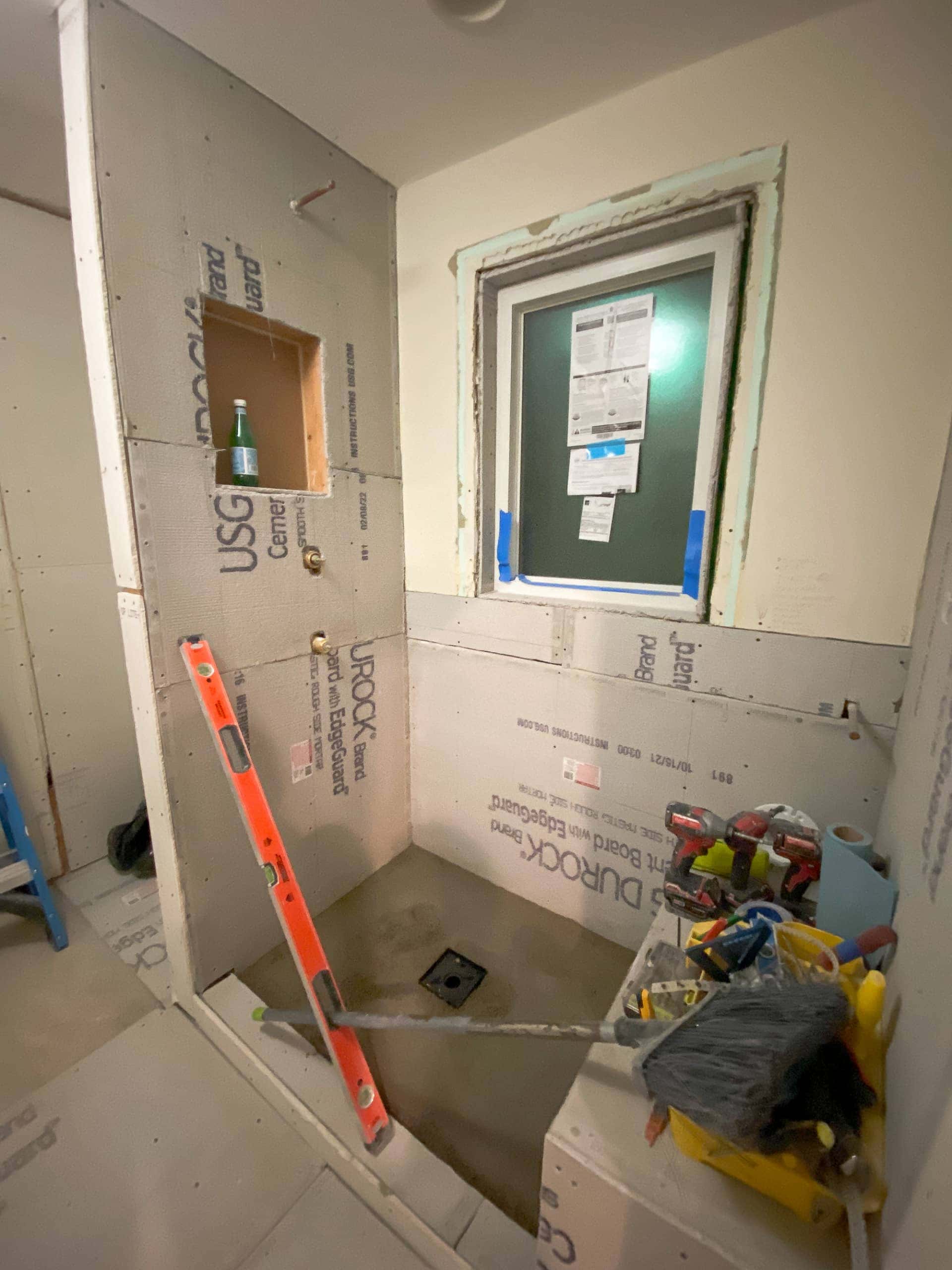
- Short-Term Inconvenience: There’s no way around it – remodeling an entire bathroom will temporarily disrupt your life. If it’s your only bathroom, you’ll need to arrange alternatives for showering and toileting (many families set up a temporary bathroom, stay with relatives, or rent a portable bathroom). Even with multiple bathrooms in the house, losing one means adjusting routines. The noise, dust, and contractors in your home full-time for several weeks can be stressful. You might even choose to temporarily move out during major construction, which is an added expense and hassle. In short, the inconvenience is intense but concentrated.
- Many Decisions All At Once: A full remodel means you’ll be selecting all your finishes and fixtures upfront – tile, vanity, lighting, paint, hardware, etc. For some, this is exciting; for others it can feel overwhelming to make so many choices on a deadline. There’s less opportunity to “live with” part of the remodel and adjust later. Decision fatigue is a real consideration: you’ll be working closely with a designer or contractor to finalize every detail before and during construction. A good design-build team will guide you, but it’s a lot of information to process in a short time.
- Intensive Planning & Permits: A large project requires thorough planning and getting permits for plumbing, electrical, structural changes all at once. Navigating the permit process can take a few weeks (varies by municipality), which adds to the upfront timeline before construction. While your contractor will usually handle this, you’re essentially doing a big planning push in the beginning – from design drafts to permit approvals – rather than spreading planning over stages. Any delay (a slow permit approval or a backordered fixture) can stall the whole project temporarily, since everything is tied together in one schedule. The key is to plan diligently: order materials with long lead times early and have contingencies, which experienced contractors will do.
Phased Bathroom Remodeling: Pros & Cons
In a phased remodel, you improve the bathroom step by step – perhaps updating the shower and floors now, and tackling the vanity and fixtures months later, or remodeling one bathroom this year and another one next year. This approach appeals to those who prefer to spread out costs and disruptions. However, working in phases isn’t necessarily easier or cheaper in the grand scheme. Let’s look at the benefits and drawbacks of a phased remodeling strategy:
Pros of a Phased Approach
- Easier on Budget Cash Flow: The most obvious advantage is financial flexibility. Instead of paying for an entire remodel at once, you can split the cost into smaller chunks over time. For example, you might budget for new flooring and a toilet this quarter, then save up for the shower remodel next year. This incremental spending can be easier to manage without draining savings, especially if you’re a homeowner who prefers pay-as-you-go. Spacing projects out means you’re not hit with one large bill, which can alleviate financial stress in the short term.
- Ability to Prioritize Immediate Needs: Phasing lets you address the most urgent updates first. If the shower is leaking or the layout is impractical, you can fix that now, and leave less critical updates (like cosmetic upgrades or that dream soaking tub) for later. This way, you’re improving functionality step by step. It’s a practical approach if you have specific problems to solve but can live with other dated elements a bit longer.
- Less Immediate Disruption (Can Stay Home): When you remodel in phases, you’re usually dealing with smaller projects that cause less upheaval at any given time. You might not need to move out or disrupt your entire daily routine – for instance, if you have two bathrooms, you can renovate one while still using the other. Even with one bathroom, you could plan a partial renovation that keeps the toilet usable while the shower is being redone, then vice versa. Your home won’t be ripped apart everywhere at once, which some find less stressful on a day-to-day basis. In short, life goes on (mostly) as normal, aside from the corner that’s under construction.
- Time to Refine the Design: Renovating in stages gives you the benefit of learning as you go. You get to live with the changes from phase 1 and can make informed choices for phase 2. Perhaps you update half the bathroom and realize you’d like a different style of fixture for the remaining half – you have a chance to adjust. This design flexibility can be a perk: homeowners might discover, for example, that the new lighting in phase one is sufficient and they don’t need to add that extra light fixture in phase two, or they might choose a different tile for the second half after seeing how the first choice looks in real life. Phased projects offer “pause points” to rethink non-critical elements (within reason).
Cons of a Phased Approach
- Longer Overall Timeline: The total time to finish the entire bathroom will be much greater when you do it in pieces. A job that might be 4-6 weeks of construction if done all at once could stretch over months or even years when broken into phases, due to gaps between phases and repeated mobilization. Each phase has its own schedule, so two or three small projects inherently take longer on aggregate than one continuous project. Be prepared for the possibility that your “new” bathroom won’t be completely done for an extended period – patience is key if you go this route.
- Higher Cumulative Costs: It’s a common misconception that remodeling in phases is cheaper. In fact, doing a renovation piece by piece can end up costing more in the long run. Why? For one, you lose efficiency. You might pay a minimum charge for labor each time workers come out. Contractors have to set up and break down multiple times, pull permits for each phase, and possibly redo or adjust work from earlier phases. You also risk price inflation – materials and labor might cost more by the time you get to phase 3 than they did in phase 1. As one construction expert put it, the “safe” piecemeal approach can be a false economy when you consider the lost bulk discounts and repeated overhead. In short, phasing may spread out spending, but don’t count on saving money – it often pencils out higher overall.
- Continuous Disruption and “Remodel Fatigue”: While each phase may be a smaller project, a drawn-out remodel means you’re living with construction on and off for a much longer period. The home can start to feel like it’s always in a state of upheaval. You finish one mini-renovation only to brace yourself for the next. Homeowners (and their families) can experience “remodeling fatigue,” that feeling of “I’m so tired of this mess, can we be done already?”. Small inconveniences that are tolerable for a month can become draining when extended over a year. There’s also the mental burden of re-adjusting your life for each new round of work – moving furniture, dust-proofing areas, dealing with noise again and again. Many people underestimate how exhausting an on-and-off renovation can be.
- Complex Planning & Coordination: Phasing a remodel requires careful planning upfront to avoid costly mistakes. All the interdependent elements of the bathroom need to be considered from the start, even if you’re not tackling them until later phases. If you don’t have a master plan, you could, for example, install a new floor in phase 1 and later realize the plumbing you want to add in phase 3 means tearing up that same floor – essentially paying twice. Coordinating trades and permits multiple times adds layers of complexity, too. Each phase might involve reopening walls or redoing finish work from a previous phase if not planned perfectly. In short, there’s more chance for things to go wrong when the project is stop-and-go. Without diligent planning, phasing can lead to rework and inefficiencies that you wouldn’t face in a one-and-done remodel.

Homeowner Psychology: Stress, Timing, and Lifestyle Impact
Remodeling isn’t just a logistical challenge – it’s an emotional journey too. How you feel during the project is a major factor to consider, especially for a bathroom remodel that affects your daily comfort. Let’s talk about the psychological side of doing it all at once versus in phases:
- Stress and Disruption: Think about your personal tolerance for living in a construction zone. A full remodel means a short burst of heavy disruption – loud tools, strangers in your home, possibly having to shower at the gym or a neighbor’s house for a few weeks. It’s stressful, but it has a clear end date. Many homeowners find they can put up with almost anything if they know “it’ll all be over by next month.” By contrast, a phased project introduces chronic low-level stress. Today it’s the demo dust from replacing the vanity; in a few months it’s the noise from tearing out the shower. There’s never a fully peaceful period in between, because even between active phases you might be planning and anticipating the next step. As one remodeling professional observed, people often underestimate their discomfort with ongoing mess and delays. Be realistic with yourself: if constant disorder drives you crazy, one concentrated project may be psychologically easier to handle than repeated bouts of disturbance.
- Decision Fatigue vs. Remodel Burnout: A big remodel requires dozens of decisions upfront (fixtures, paint colors, tile patterns, etc.), which can be mentally taxing. This is where a design-build contractor’s guidance is invaluable – they help streamline choices so you don’t feel overwhelmed. Phased remodeling spreads decisions out over time, which sounds easier, but beware: it can lead to “decision drift” or second-guessing. With months between phases, you might keep revisiting choices or feel unsure if what you did in phase 1 is still what you want in phase 3. Additionally, by the later phases you might simply feel burned out on making renovation decisions at all, prolonging the process further. In a full remodel, you make the calls, then rip the Band-Aid off and let it unfold. In a phased remodel, you have to keep up your decision-making energy over a much longer period. Consider which scenario better suits your personality – some prefer to immerse themselves once and be done, while others like breaks between decision rounds.
- Sense of Accomplishment (or Lack Thereof): Completing a full bathroom overhaul is incredibly satisfying. You go from an old bathroom to a beautiful new space and get that “wow, it’s finished!” moment. With phased projects, the gratification is incremental. Yes, you’ll feel good seeing one element updated, but the room won’t have that complete transformation until the final phase is done. Some homeowners are fine with that and enjoy the gradual evolution. Others might feel frustrated that the bathroom never looks “complete” until possibly years later. If you’re someone who needs closure or who will be bothered by a half-finished aesthetic, factor that into your choice. Sometimes the peace of mind that comes with a fully done project is worth the all-in approach.
Real-World Tip: Try to align your remodeling approach with your life events and stress levels. For instance, if you’re expecting a new baby or have an important season at work, don’t spread a renovation through that period if you can avoid it. Either get it done beforehand or wait. Your future self will thank you for choosing the less stressful timing. Remember, a well-planned remodel – whether one-shot or phased – should be managed in a way that minimizes stress on you and your family. Good contractors understand this and will help you develop a realistic game plan.
Common Misconceptions and Surprises to Be Aware Of
“Isn’t doing it piece by piece cheaper?” This is a question we hear a lot. As discussed above, the answer is usually no – phased remodels are not guaranteed to save money, and can actually cost more when you add up repeated labor and rising prices. Don’t be lured by the myth that doing a little at a time is a budget hack. If anything, it’s a financing convenience, not an overall cost savings. A well-planned single project often delivers more value for each dollar spent.
“Phasing will minimize disruption.” It’s true that any single phase may be less disruptive than a full gut-job. But homeowners often underestimate the cumulative disruption. A slow-drip renovation means your home is never truly free of construction mess until it’s all done – there’s “always a dumpster in the driveway” or dust in the air, which can be more frustrating long-term. In contrast, doing it all at once concentrates the pain. Neither path is easy, but don’t assume multiple small projects = zero disruption. It’s “choose your inconvenience”: one big interruption or many mini-interruptions.
“We can always change plans mid-stream.” A phased approach might tempt you to revise the design along the way (“Maybe we pick a different tile next year for the second half since trends might change”). Some flexibility is fine, but too much change can wreak havoc on a remodel. Frequent design changes mid-project – especially in a phased project – can increase costs and cause compatibility issues. The reality is that whether you do it all now or later, you should start with a cohesive master plan for the whole bathroom. That plan can have some wiggle room, but it ensures you’re not designing phase 3 in a vacuum. For example, if you eventually want a double-sink vanity, you need to run plumbing for it in phase 1 or 2, not wait until phase 3 and then discover the wall is closed up. A good contractor will anticipate these things. At B&M, we always encourage clients to think holistically up front – even if you’re phasing the build – to avoid the “oops, we didn’t plan for that” scenario.
Surprises behind the walls: No matter which route you choose, expect the unexpected when remodeling an older bathroom. Once demolition starts, issues like outdated wiring, corroded pipes, or hidden water damage can come to light. In a full remodel, you’ll tackle all these at once – which can add cost, but at least you’re resolving underlying problems in one go. In a phased remodel, there’s a risk that you fix something in one phase (say, replace a section of old plumbing for the sink) only to open up another section later and find a related issue (like that same old plumbing feeding the shower). This could mean repeat repair work that might have been handled more efficiently in a single project. Additionally, remember that permit requirements may kick in even for “small” projects – and if you’re doing several phases, you might need permits and inspections each time. Navigating the permitting process repeatedly can be tedious (though a contractor will manage most of it), and it’s something to consider when comparing approaches. With one big remodel, you go through permits once for the whole job; with phased, you could be pulling permits multiple times.
Material availability and consistency: Another real-world challenge is materials. Say you fall in love with a tile and use it for your shower in phase 1. Six months later when you want to do the floor to match, that tile could be discontinued or back-ordered. Supply chain issues are a reality – specialty tiles or fixtures can have lead times of weeks or months. During a single remodel, your contractor will typically order all needed materials up front, avoiding this problem. In a phased project, you might complete one segment and then have to pray that the same materials will be available down the line (or stockpile them, which isn’t always practical). Also, warranties or product lines can change over time. The faucet you installed last year might get an updated model by the time you do the rest, making repair parts or matching finishes tricky. The lesson: if you’re phasing, work closely with your contractor to plan for material continuity – possibly by purchasing materials for all phases in advance or choosing readily available options.
How B&M Home Improvement Makes Any Remodeling Path Smoother
Embarking on a bathroom remodel can feel intimidating, whether you’re leaning toward one big project or a step-by-step approach. That’s where a trusted design-build team like B&M Home Improvement Solutions comes in. As a local Lancaster, PA contractor with deep experience in bathroom renovations, we understand the stakes and the stress points for homeowners – and we’ve structured our process to make either path easier on you.
One Team from Start to Finish: We use a design-build approach, meaning our designers and builders work together. Why does this matter? It provides a single point of accountability throughout your project. Homeowners often feel overwhelmed when they have to juggle separate architects, contractors, and vendors – details slip through the cracks and miscommunications happen. With design-build, you have one cohesive team taking responsibility for everything: developing the design, obtaining permits, ordering materials, and executing construction. This unified approach is a game-changer for reducing stress. You get consistent communication and a clear plan, so you’re not left coordinating between different parties or wondering who to call with a concern.
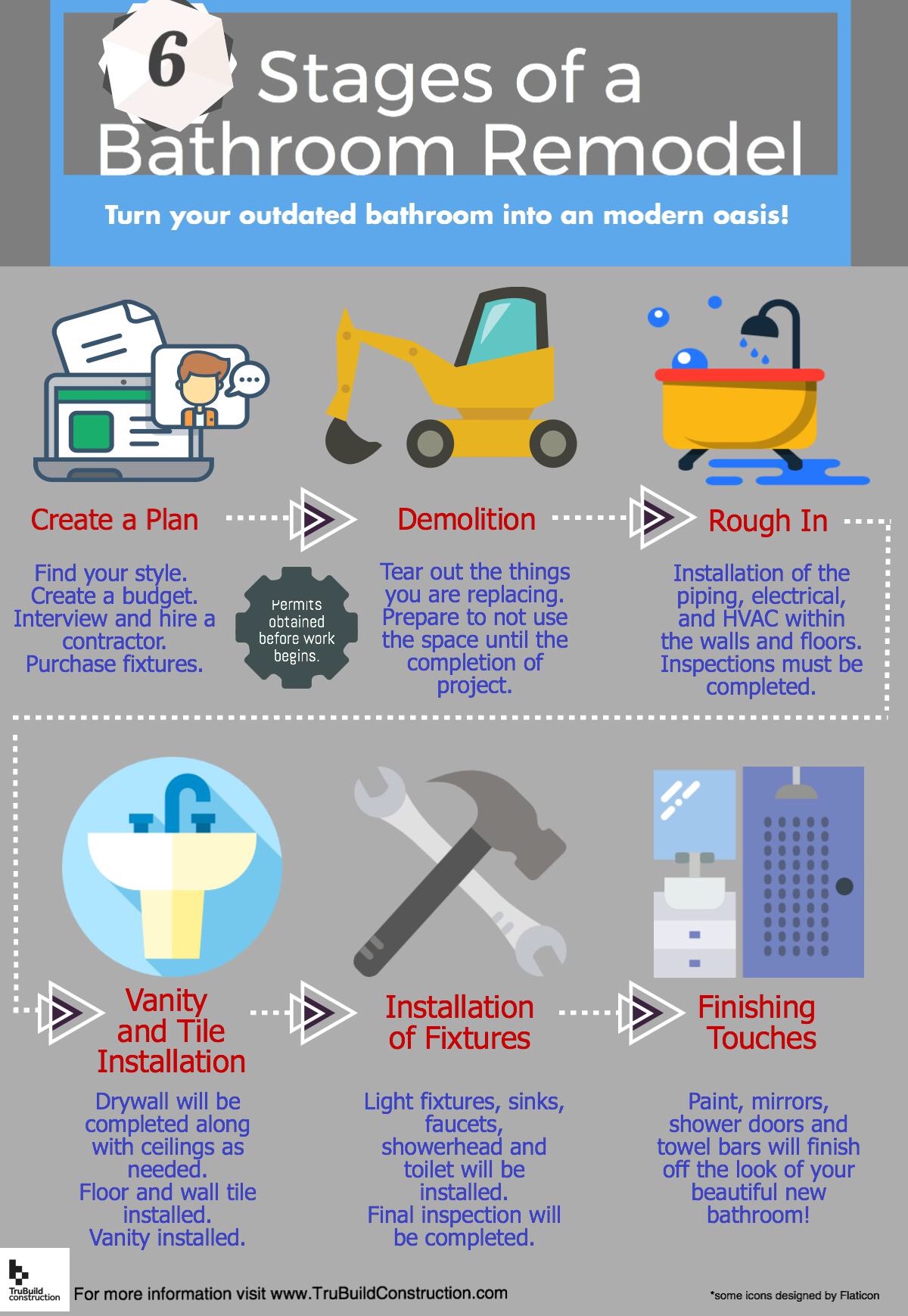
Master Planning for Phases or Full Remodels: Whether you decide on phasing or an all-at-once remodel, B&M emphasizes upfront planning. For phased projects, we help you create a master plan that maps out the entire project from the beginning (even if the work might be done over a year or more). This means designing the whole bathroom layout and systems in advance, and then breaking it into logical phases. The benefit is huge: it prevents the scenario of having to undo or redo work because the early phases didn’t account for later ones. We ensure that each phase builds on the previous seamlessly – for instance, roughing in plumbing or electrical for future fixtures ahead of time. If you choose a full one-time remodel, that same careful planning applies, just condensed: we iron out all design details and logistics before the first hammer swings. In both cases, our planning process brings you clarity and confidence. We’ll walk you through designs with 3D renderings, help with selections of materials that fit your style and budget, and establish a realistic timeline and budget before work begins. Our Lancaster and York county clients often tell us that this thorough planning made them feel at ease, knowing there wouldn’t be big surprises later.
Transparent Timeline and Scheduling: B&M Home Improvement prides itself on timeline clarity and keeping projects on track. When doing a full bathroom remodel, we provide you with a week-by-week schedule, so you know exactly what will happen when (demolition, plumbing, tile setting, inspections, etc.). If you’re remodeling in phases, we’ll outline how long each phase will take and the expected interval between phases. Importantly, we aim to minimize downtime and avoid unnecessary delays. Our team proactively orders materials with long lead times well in advance – for example, that custom vanity or special-order tile will be on site when it’s needed, so we’re not pausing work to wait on shipments. We also coordinate our tradespeople tightly; because we’re a design-build firm, we schedule plumbers, electricians, and carpenters as a synchronized unit (no waiting weeks for the next available subcontractor). And should an unexpected issue arise – say we open up the floor and find something unanticipated – we will communicate clearly and pause to discuss solutions with you. You’ll always know where things stand and what comes next.
Reducing Risk and Ensuring Quality: Our experience in the Lancaster, PA area means we’re familiar with local building codes, permit processes, and common construction issues in homes like yours. We handle the permit applications and inspections for you, whether it’s one project or multiple phases, ensuring everything is up to code and safe. By entrusting the entire project to one experienced team, you reduce the risk of errors or corners being cut. We don’t “hand you off” between design and construction – the same dedicated project manager oversees it all, so nothing gets lost in translation. This continuity is crucial in preventing mistakes and keeping quality high. It also means we take accountability: if something isn’t right, we fix it. Our goal is that you never feel alone in the process – we’re with you every step, offering professional guidance grounded in years of remodeling work.
Finally, we know that remodeling is about trust. We’re guests in your home and partners in your vision. That’s why we operate with transparency, from detailed written proposals to regular updates. Homeowners 35 and older (our typical clients) often come to us a bit cautious – you’ve likely heard horror stories of renovations gone wrong. Our job is to earn your trust through reliable service and honest expertise. Whether you opt to remodel your bathroom all at once or tackle it in stages, B&M Home Improvement will make the journey as smooth and stress-free as possible.
Conclusion: Making the Choice That’s Right for You
Deciding whether to remodel your bathroom in one fell swoop or gradually in phases comes down to balancing your budget, patience, and priorities. A full-scale remodel gives you a stunning transformation on a shorter timeline with potential cost efficiencies, ideal for those who want a one-and-done project and immediate results. Phased remodeling offers flexibility and breathing room financially, which can be helpful if you prefer to take things slowly and deliberately – just go in with clear eyes about the extended timeline and total cost.
Remember that either path can be successful with proper planning. Consider consulting with a professional to evaluate your bathroom’s condition and map out a game plan. Often, an expert eye can spot which approach makes more sense for your specific case (for example, if your bathroom’s plumbing and electrical all need updating, it might be most efficient to do it all together).
At the end of the day, the best choice is the one that lets you remodel on your terms while adding value and enjoyment to your home. If you’re still on the fence, why not explore your options with a pro?
Ready to take the next step? B&M Home Improvement Solutions is here to answer your questions and guide you through the process – whether you decide on a full bathroom makeover or a step-by-step renovation. Contact us today to schedule a friendly bathroom consultation. We’ll help you create a plan that delivers the bathroom of your dreams with clarity, confidence, and minimal stress.